A Day in the Life - Consultant in Paediatric Emergency Medicine
Dani Hall Consultant in Paediatric Emergency Medicine
6 Iúil 2026
CHI at Crumlin
News
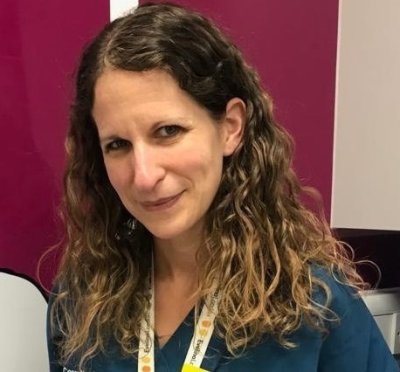
Dr Dani Hall - Consultant in Paediatric Emergency Medicine
Starting the Morning
I can’t start my day without a cup of tea, followed closely by a coffee. Ideally, I’ll have a quick chat with my family before heading out the door. On my commute, I like to listen to a podcast that has nothing to do with medicine. I particularly enjoy story-based podcasts, and The Moth is a favourite. It helps me switch gears before a busy day at work.
Arrival and Getting Ready
If I’m working in the Emergency Department (ED), I start by saying hello to the reception staff before heading straight to handover. The night team updates the incoming day team on the patients currently in the department, and it’s also a chance to hear how the night shift went.
On simulation days, I usually begin by checking emails and making sure I’m up to date with any developments before the day begins.
Morning Activity
In the Emergency Department, the day often starts immediately with patients. We care for children and young people of all ages, from newborns to teenagers, presenting with everything from a bead stuck in an ear to a life-threatening medical emergency.
I might be assessing and treating my own patients, or working alongside trainees and reviewing cases together. One of the things I enjoy most about emergency medicine is the variety. No two days are ever the same, and there is always something new to learn.
When I’m working in simulation, the morning could involve running a tabletop exercise to test a new process or facilitating a simulation scenario involving a medical, trauma or mental health emergency. We use simulation to train staff, practise new skills and test systems in a safe environment using manikins or trained actors. It’s a powerful way to improve teamwork and patient safety.
A Midday Break
Lunch is almost always spent with colleagues. It’s an opportunity to catch up, share stories from the day and connect outside of the busy clinical environment. Those moments together are often the best way to recharge before the afternoon begins.
Afternoon Activity
The afternoon is usually a continuation of the morning’s work. In the ED, that means caring for a wide variety of patients and supporting their families through what can often be a stressful experience.
On simulation days, I may be planning upcoming programmes, running training sessions, or working with teams to review processes and identify opportunities for improvement. Every simulation is different, and each one provides valuable learning that can ultimately enhance patient care.
Challenges and Rewards
Some days can be challenging, particularly when a child is seriously ill or injured. Supporting children and their families through those difficult moments is a huge responsibility, but it is also one of the most rewarding aspects of the role.
Simulation provides a different type of reward. When a team finishes a simulation session having learned something new or gained confidence in managing a complex situation, the impact can be remarkable. Seeing that growth and knowing it can contribute to safer care for patients is incredibly satisfying.
Finishing the Day
If I’m not on call, I usually head home around 6pm. I often listen to another podcast on the journey home, which gives me an opportunity to reset after a busy day. By the time I walk through the door, I’m ready to focus on spending time with my family.
Life Outside the Hospital
Home life is rarely quiet. I have two good-hearted and spirited adolescents who bring plenty of energy, heart and the occasional dose of teenage attitude. My husband is a proud Corkman who brings strong opinions, good humour and excellent perspective to family life.
We also share our home with a cat who firmly believes she is human, as well as two house bunnies. Together, they make for a lively and entertaining household.
Personal Reflection
What I love most about my role at Children’s Health Ireland is the connection with children and young people. Whether it’s admiring a three-year-old’s sparkly shoes, discussing the latest FA Cup results, or sharing a meaningful conversation with an adolescent, those moments of connection can have a real impact.
I’m also privileged to work alongside dedicated colleagues who are committed to providing the best possible care for children and families. The combination of emergency medicine and simulation means I can support patients directly while also helping teams learn, develop and improve how we deliver care.
National Children’s Hospital
Looking ahead, I am excited about the opportunities the new Children’s Hospital will bring. We are currently involved in a large simulation programme designed to help staff and services prepare for the move. Through simulation, we can test processes, practise new ways of working and identify improvements before patients arrive in the new environment.
It is an exciting and empowering project that gives staff the opportunity to shape how care will be delivered in the future. Ultimately, it will help us create safer systems, strengthen teamwork and improve outcomes for the children, young people and families we care for.