Improving growth and health outcomes in children with Achondroplasia
Results of a clinical trial show that a new treatment can improve growth and health outcomes in children with the bone disorder Achondroplasia.
22 Eanáir 2026
The results of a new clinical trial, published last month in JAMA Paediatrics, show that the new treatment drug, TransCon CNP, is effective in children with achondroplasia - improving growth trajectories, skeletal alignment, and body proportionality. It was also found to be safe and associated with a low incidence of injection site reactions.
Achondroplasia is a genetic condition that affects bone growth. It’s the most common cause of short stature or dwarfism, affecting about 250000 people worldwide. The underlying cause is a mutation in the FGFR3 gene that affects the activity of chondrocytes, the cell within cartilage that is responsible for bone growth.
The international study tested the effectiveness and safety of the new sustained release drug called TransCon CNP (or navepegritide) that can block the effect of the FGFR3 mutation in chondrocytes. As part of the ApproaCH trial, 84 children with achondroplasia, 16 recruited from CHI, were randomly assigned to receive once-weekly injections of TransCon CNP or a placebo for one year before all children progressed to open label treatment with TransCon CNP for a second year.
The treatment was also associated with positive trends in improved health-related quality of life. While further studies are required, TransCon CNP represents a promising new option to treat children with achondroplasia.
There is increasing recognition that achondroplasia impacts the health of children in several ways.
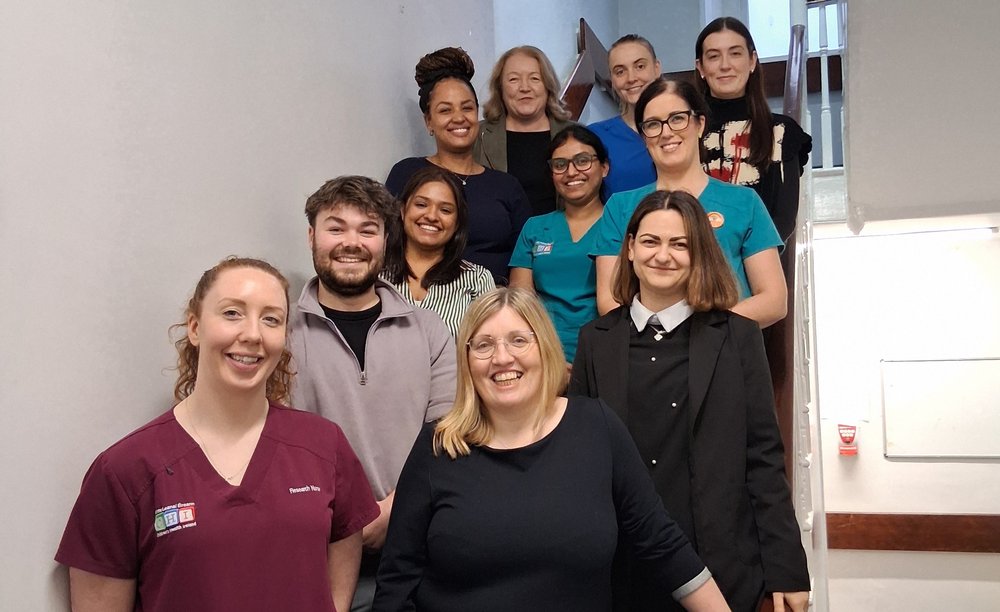
Dr Ciara McDonnell is a Consultant in Paediatric Endocrinology & Diabetes and leads the Centre for Rare Bone Disorders at CHI (Our Tribe) where children with achondroplasia are seen. Through participation in international clinical trials, and with the support of the clinical research centre team at CHI, Dr McDonnell aims to give children with achondroplasia in Ireland access to promising new treatment options. Speaking about the results of the trial.
““We, the Our Tribe team, are delighted with the findings to date. We are reassured that the families participating in the study have noticed the positive impact of treatment without significant side effects. Developing safe, effective therapies in rare bone disorders is the fundamental aim of our centre. These findings have led to further trials in this area which are operated in conjunction with the CHI-Clinical Research Centre (a HRB/CHF funded centre)."