During Treatment
Burn treatment focuses on promoting healing, reducing pain, preventing infection and achieving the best possible outcome for your child.
Pain and itch
Pain
Burns can be very painful regardless of how big or deep they are. It is important to give your child regular pain medication such as paracetamol and ibuprofen.
If you are in hospital, the nursing team will offer pain relief throughout your admission. You will also receive appropriate pain relief before any dressing changes.
If you are returning to the PATCH Clinic, GP or PHN for wound care, we recommend you give pain relief 30-40 minutes before your appointment.
Itch
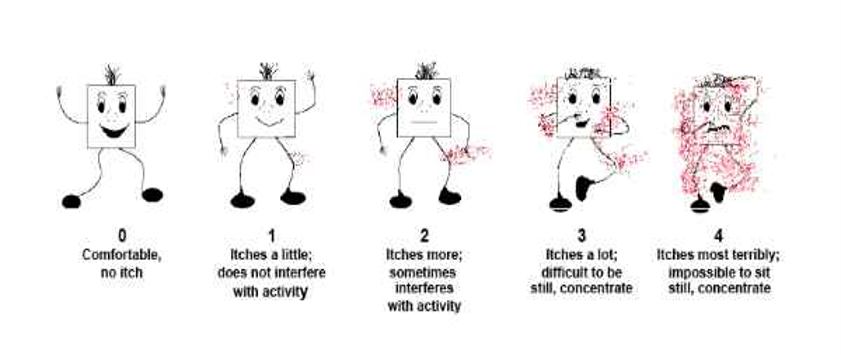
As a burn heals it can be become itchy. Heat and activity can make it worse. Good fluid intake and daily moisturising can prevent the skin becoming dry and itchy and help to alleviate this symptom. Bathing with dressing changes can also help soften dry skin and lift it off.
Sometimes we might prescribe medication to help itch. Each burn and patient is different. If you child is experiencing itch or waking up in the middle of the night, please tell the team who will advise on what might be the most effective action to take.
The team may ask you to describe the symptoms using the scale below.
Nutrition and Healing
Good nutrition plays an important role in burn recovery. After a burn the body needs more energy and protein to support healing. Meeting these increased nutritional needs can help promote wound healing, support normal growth and development, and reduce the risk of complications.
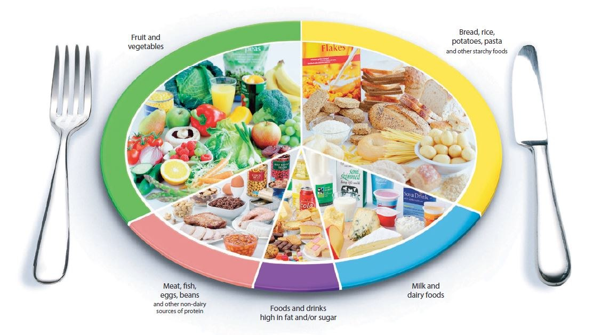
We encourage a food-first approach wherever possible. Encourage your child to eat a balanced diet and drink plenty of fluids, particularly water and milk. Foods that support healing include:
- Protein-rich foods: meat, chicken, fish, eggs, beans and lentils
- Dairy foods: milk, yoghurt and cheese
- Carbohydrates: bread, cereals, pasta, rice and potatoes
- Fruit and vegetables: rich in vitamins and minerals
If your child is finding it difficult to meet their nutritional needs through their usual diet, a dietitian may recommend ways to increase the energy and protein content of foods, such as adding cheese, cream, or butter to meals and snacks.
In some cases, additional nutritional support may be required in the form of oral nutritional supplements or temporary tube feeding. If tube feeding is needed, a dietitian will assess your child's nutritional requirements, develop an individual nutrition plan, and provide advice to support recovery both during their hospital stay and after discharge.
Therapies
A range of specialists may be involved in your child's care.