A Day in the Life - Inflammatory Bowel Disease (IBD) Nurse Specialist
My name is Orlaith Casey, and I’m an Inflammatory Bowel Disease (IBD) Nurse Specialist with Children’s Health Ireland. No two days are ever the same, but everyday centres around supporting children and young people living with IBD and working closely with their families. Here’s what a typical day looks like for me.
June 29, 2026
CHI at Tallaght, CHI at Crumlin, CHI at Connolly (by appointment), CHI at Temple Street
News
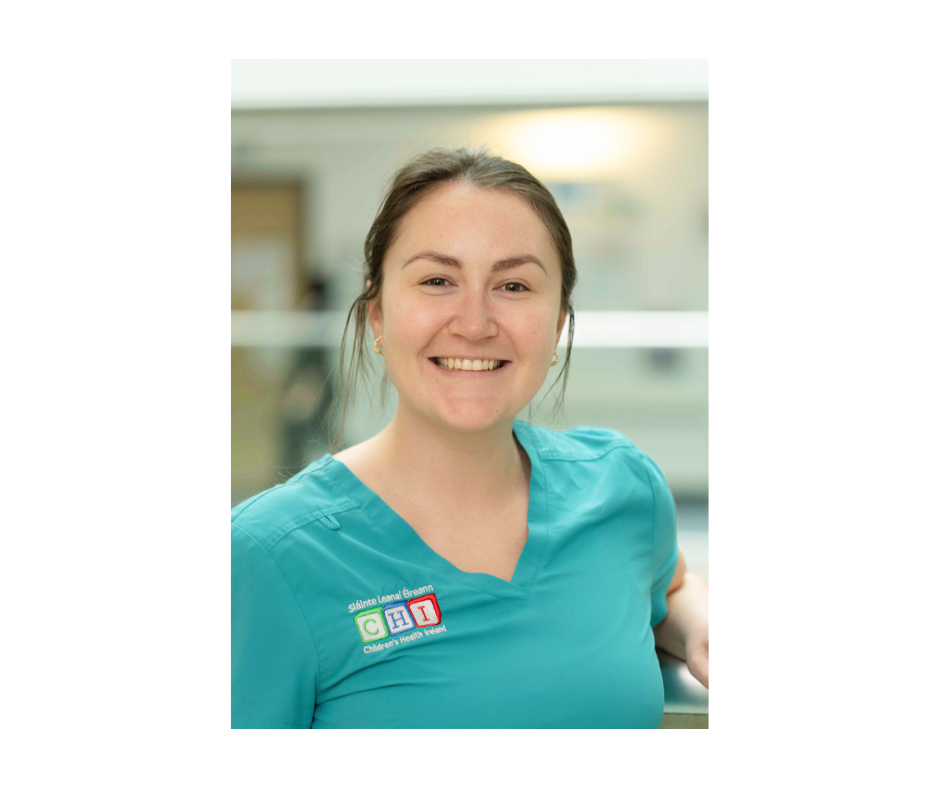
Orlaith Casey, Inflammatory Bowel Disease (IBD) Nurse Specialist with Children’s Health Ireland.
Starting the Morning
I usually wake up around 5am so I can get to the gym before 5.30am. On the days I don’t go to the gym, I enjoy a lie‑in before heading off to work with a coffee or tea I’ve made at home. It’s a quiet start that helps me prepare for the day ahead.
Arrival and Getting Ready
When we arrive in the office, the IBD nursing team starts by checking emails and having a morning huddle. We discuss any current issues, patients who are unwell in the community, patients in hospital, and plan the day together.
We decide who will be in clinic, who will be on the Medical Day Unit meeting patients receiving infusions, who will cover the Surgical Day Unit to meet newly diagnosed patients, and who will attend ward rounds with the consultants. Once the plan is in place, it’s time for breakfast and a social catch‑up with colleagues.
Morning Activity
If I’m assigned to clinic, I prepare by reviewing up‑to‑date information for each patient attending that day, including blood results, medications and any recent updates from families. I sit in with the consultant during appointments, and afterwards I provide education to patients and their parents or carers, making sure they understand the care plan and any changes to treatment.
If I’m not in clinic, I spend the morning responding to emails and checking in with families. If a patient is unwell at home, I help coordinate tests and discuss medical and nursing management with the consultants. Family contact can happen at any time, so this work continues throughout the day.
Each day, one or two of us visit the Medical Day Unit to meet patients attending for infusions. We chat with them about how they are feeling, how things are going at home and school, and whether they need extra support. Sometimes we arrange input from our wider multidisciplinary team, such as psychology or dietetics.
If IBD is diagnosed following a scope, we meet the family afterwards to explain the condition, talk through our service, and provide clear information to help them navigate a new diagnosis. We give families our contact details so they know they can reach us with questions or concerns.
For patients who need admission to hospital, we attend ward rounds with the consultants and help implement care plans. We make sure families are supported and provide education around new medications or treatment plans when needed.
Every second Wednesday, our department holds a multidisciplinary team meeting to discuss complex cases and agree team‑based plans. Once a week, we also attend a histology meeting to review scope results and ensure patients are linked into the right services and clinic appointments.
A Midday Break
The GI team usually eats lunch together. It’s a chance to relax, have a good chat about things outside of work, and enjoy the baked goods that often appear. These moments are really important during busy days.
Afternoon Activity
If I’ve been in clinic, the afternoon often involves contacting hospitals around Ireland where our patients receive treatment. I update colleagues on any changes to care plans and arrange blood tests or investigations if needed.
We also make contact with families of newly diagnosed patients, answer their questions, and arrange clinic and infusion appointments. Emails and phone calls from families continue throughout the afternoon.
Every Monday, the IBD nurses run a virtual biologics clinic with the consultants. We review medication levels, discuss results, and make treatment adjustments where needed. We then contact families to explain any changes and update schedules, and we liaise with other hospitals if infusions are given outside CHI.
Challenges and Rewards
One of the most rewarding parts of my role is seeing patients improve. We often meet them at a time when they are very unwell and have been struggling for a long time. Once treatment starts, it’s amazing to see them return to everyday life, going back to school, playing sports and enjoying food again. Even small improvements mean so much.
Sometimes symptoms are harder to control, and it can take time to find the right treatment. This can be very challenging for families, particularly while waiting to see if a new medication works.
When patients turn 16, we support their transition to adult services. Being part of these transition clinics and seeing young people doing well as they move into adult care is incredibly rewarding.
Finishing the Day
At the end of the day, I like to get some fresh air when the weather allows. I wind down with a good cup of tea and chats, which helps me reflect and switch off after a busy day.
Life Outside the Hospital
I enjoy running and I’m currently planning to run the Dublin Marathon this year. I also love travelling and ticking destinations off my travel list. Above all, I really value spending time with friends and enjoying good company.
Personal Reflection
What I love most about my role at Children’s Health Ireland is working so closely with children, young people and their families during very significant times in their lives. Building relationships, providing reassurance, and helping families feel supported makes the work incredibly meaningful. I’m also fortunate to work within a supportive, passionate team that always puts patients first.
National Children’s Hospital
Looking ahead, the new Children’s Hospital brings exciting opportunities. The modern environment and integrated services have the potential to further improve how we deliver care, support collaboration, and enhance outcomes for our patients and families.